The Shift Toward Non-Toxic Living and What It Means for Wellness Brands Like Sisel International
Warning: Undefined variable $post in /home/energypo/domains/dietoflife.com/public_html/wp-content/plugins/code-snippets/php/snippet-ops.php(663) : eval()'d code on line 3
Warning: Attempt to read property "ID" on null in /home/energypo/domains/dietoflife.com/public_html/wp-content/plugins/code-snippets/php/snippet-ops.php(663) : eval()'d code on line 3
The estimated reading time is 5 minutes
Warning: Undefined variable $post in /home/energypo/domains/dietoflife.com/public_html/wp-content/plugins/oxygen/component-framework/components/classes/code-block.class.php(115) : eval()'d code on line 3
Warning: Attempt to read property "ID" on null in /home/energypo/domains/dietoflife.com/public_html/wp-content/plugins/oxygen/component-framework/components/classes/code-block.class.php(115) : eval()'d code on line 3

Something is quietly changing in medicine cabinets, kitchen shelves, and supplement drawers across the country. Consumers armed with smartphones, ingredient-scanning apps, and a growing distrust of opaque manufacturing are rethinking what they bring into their homes and put into their bodies. The move toward non-toxic living is no longer a niche trend. It has become a mainstream market force, and wellness brands across every category are being forced to respond.
The question is no longer simply whether a product works. Increasingly, consumers want to know what is in it, why it is there, and whether the company behind it can be trusted to tell the truth about both.
A Consumer Base That Reads the Label
For decades, product labels were largely marketing real estate: a place for logos, claims, and aspirational imagery. The ingredient list, buried in small print, was an afterthought for most shoppers. That dynamic has fundamentally shifted.
According to industry research, ingredient transparency now ranks among the top purchasing drivers for health-conscious consumers, particularly among millennials and Gen Z. Studies show that a significant majority of shoppers actively research ingredients before buying personal care and supplement products, a behavior that was virtually non-existent a generation ago.
This scrutiny has exposed a long-standing gap between what many products promise on the front of the label and what they contain on the back. Consumers are discovering that certain preservatives, synthetic fragrances, and chemical stabilizers, common in mass-market personal care and household products, carry long-term health concerns that manufacturers have not historically disclosed in plain language.
The result is a growing segment of buyers who do not just want effective products. They want clean ones. And they are willing to pay more, switch brands, and advocate publicly for companies that meet that standard.
Formulation Standards Under a Microscope
The wellness industry has long operated in a space where regulatory standards, particularly in the United States, leave considerable latitude to manufacturers. The FDA does not evaluate the safety of personal care products before they reach the market. Dietary supplements operate under a framework that places the burden of safety evidence largely on the producer, not a pre-market review body. For consumers, this means that brand credibility and brand-enforced standards often matter more than regulatory approval.
This is precisely where formulation philosophy becomes a competitive differentiator. Brands that proactively establish and communicate internal ingredient standards are filling the trust gap that regulatory frameworks leave open.
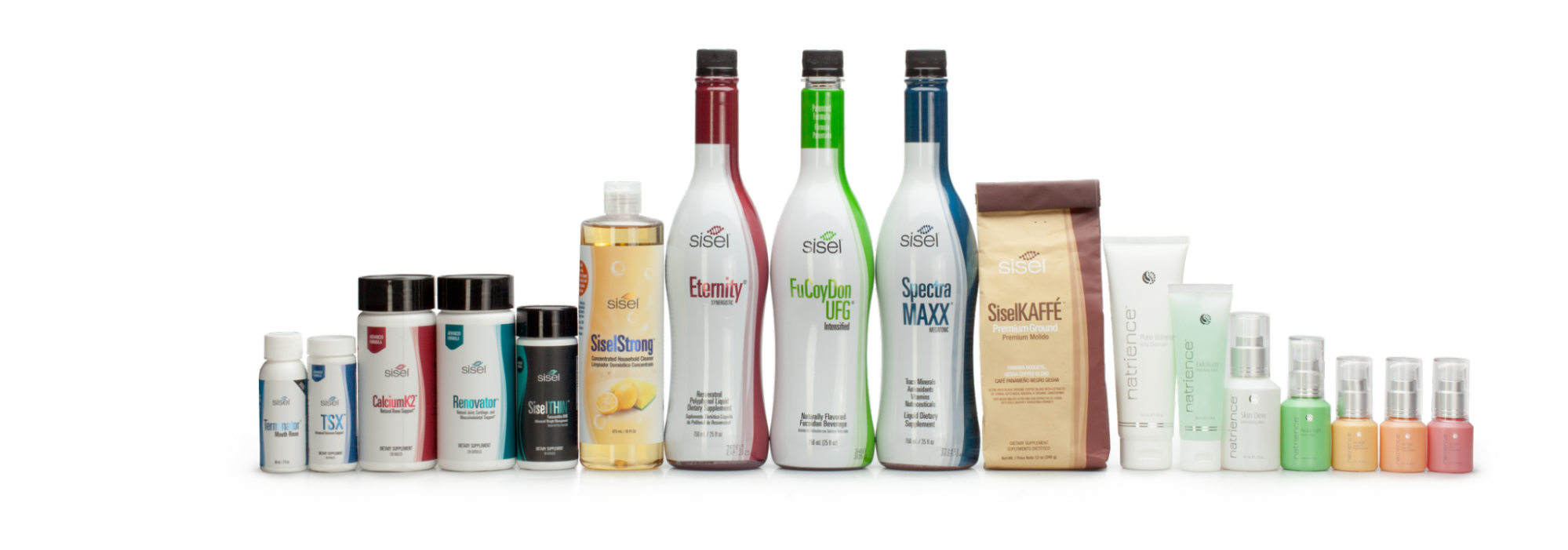
Sisel International, a Utah-based wellness company founded in 2006, has made this philosophy central to its identity through what it calls the Sisel Safe® standard. This is an internal formulation commitment that prohibits the use of ingredients the company considers dangerous, harmful, or toxic across its product lines. The company manufactures its supplements, personal care, and home care products in-house, which it says allows for tighter quality control than outsourced production models.
What makes this approach notable from an industry standpoint is not simply the standard itself, but its application across categories. Toxin-free wellness commitments are increasingly common in skincare, but applying a consistent formulation philosophy to supplements, home cleaning products, and personal care simultaneously represents a more comprehensive brand position. For consumers building a non-toxic lifestyle across every room in their home, a brand that holds the same standards across all its products removes significant decision-making friction.
The Trust Economy in Wellness
There is a broader economic story embedded in this trend. Consumer trust, once built on brand familiarity and advertising reach, is now being rebuilt from the ground up, and ingredient integrity is one of the primary building materials.
Social media has accelerated this shift considerably. Dermatologists, nutritionists, and independent researchers regularly share ingredient analyses with audiences of millions, creating a new layer of third-party scrutiny that brands cannot control. A single viral post breaking down a product formulation can reshape purchasing behavior at scale overnight.
For brands like Sisel International, this environment represents both an opportunity and an ongoing test. Companies that can demonstrate consistent, verifiable ingredient standards rather than selective transparency are better positioned to build durable loyalty in this scrutiny-heavy climate. Clean wellness is not a marketing strategy that can be applied to a single hero product. The consumer expects it to be a philosophy that runs through the entire organization.
This is also why the non-toxic skincare products segment has become one of the fastest-growing categories in beauty and personal care. Market analysts project the global clean beauty market to exceed $22 billion within the next few years, driven not by novelty but by a consumer base that has grown genuinely more sophisticated about what they put on their skin.
What This Means for the Industry
The implications for wellness brands extend beyond reformulation. The shift toward toxin-free wellness is reshaping how companies communicate, how they manufacture, and how they differentiate in an increasingly crowded market.
Brands that built their identity around performance alone, the strongest formula, the fastest results, the most potent dose, are finding that performance without transparency is no longer a complete value proposition. Meanwhile, companies that have invested in developing proprietary formulation standards, building vertically integrated manufacturing, and communicating their ingredient philosophy clearly are finding a more receptive audience than ever before.
For consumers, the practical challenge remains one of navigation. The wellness market is vast, the terminology is not standardized, and the word clean as a label carries no universal definition. This is why specific brand standards rather than generic marketing language carry growing weight. A named standard, applied consistently and backed by a verifiable manufacturing process, gives consumers something concrete to evaluate.
Sisel International's Sisel Safe® commitment is one example of how brands are responding to this moment, not by chasing a trend, but by articulating a position that connects founding values to the questions consumers are now asking. Whether a brand is an established player or a newer entrant, the question the market is now posing is the same: what, exactly, is your standard, and can you prove it?