5 Essential Benefits of Choosing a TBI Center for Recovery
Warning: Undefined variable $post in /home/energypo/domains/dietoflife.com/public_html/wp-content/plugins/code-snippets/php/snippet-ops.php(663) : eval()'d code on line 3
Warning: Attempt to read property "ID" on null in /home/energypo/domains/dietoflife.com/public_html/wp-content/plugins/code-snippets/php/snippet-ops.php(663) : eval()'d code on line 3
The estimated reading time is 8 minutes
Warning: Undefined variable $post in /home/energypo/domains/dietoflife.com/public_html/wp-content/plugins/oxygen/component-framework/components/classes/code-block.class.php(115) : eval()'d code on line 3
Warning: Attempt to read property "ID" on null in /home/energypo/domains/dietoflife.com/public_html/wp-content/plugins/oxygen/component-framework/components/classes/code-block.class.php(115) : eval()'d code on line 3
Key Takeaways
Specialized TBI centers bring together trained professionals who understand the complex physical, cognitive, emotional, and behavioral challenges associated with brain injuries.
Personalized rehabilitation plans help align treatment with each patient's abilities, needs, goals, and recovery progress.
Evidence-based therapies and multidisciplinary care allow several aspects of TBI recovery to be addressed through a coordinated approach.
Advanced rehabilitation technology and consistent progress tracking can improve engagement and help care teams adjust treatment when necessary.
Choosing a specialized center can provide patients and families with structured support, education, and resources throughout the recovery process.
1. Access to Specialized TBI Rehabilitation Expertise
Traumatic brain injuries can affect people in different ways. Depending on the severity and location of an injury, a patient may experience challenges involving mobility, communication, memory, concentration, emotions, or everyday activities.
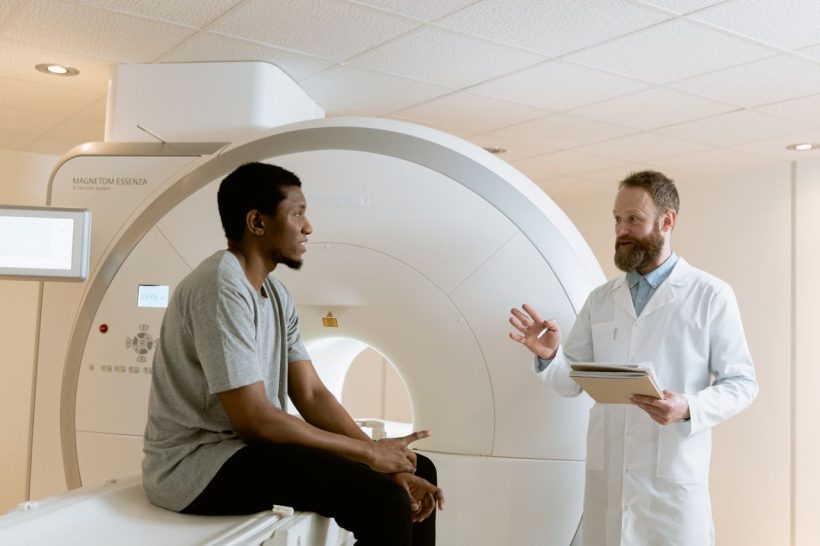
A specialized tbi center brings together professionals who understand these complex recovery needs. Rather than relying on a general rehabilitation approach, patients can receive care from specialists who focus on the unique challenges associated with TBI.
A Multidisciplinary Team for Comprehensive Care
A rehabilitation team may include:
- Neurologists who evaluate neurological concerns and recovery needs
- Physical therapists who address movement, balance, and mobility
- Occupational therapists who help patients regain everyday functional skills
- Speech-language pathologists who work on communication and cognitive-communication difficulties
- Neuropsychologists who assess cognitive and behavioral changes
- Rehabilitation nurses who support ongoing medical and recovery needs
Collaboration between these professionals can help create a more coordinated rehabilitation experience. Instead of addressing each challenge separately, the team can consider how different symptoms interact and influence daily life.
2. Personalized Treatment Plans Built Around Individual Needs
No two TBI recovery journeys are exactly alike. Patients can have different injury characteristics, symptoms, abilities, goals, and support systems. For this reason, personalized rehabilitation is an important benefit of choosing a specialized TBI center.
Starting With a Comprehensive Assessment
Treatment typically begins with assessments designed to understand the patient's current condition. These evaluations may examine physical abilities, cognitive function, communication, emotional well-being, and everyday activities.
The information gathered helps the rehabilitation team establish realistic and meaningful goals.
Adjusting Treatment as Recovery Progresses
A personalized plan should not remain static. As patients improve or encounter new challenges, rehabilitation professionals can modify therapy and goals accordingly.
This flexible approach can help keep treatment relevant and encourage patients to remain actively involved in their recovery.
Key elements may include:
- Individualized assessments
- Collaborative goal setting
- Targeted rehabilitation exercises
- Regular progress reviews
- Adjustments based on patient feedback and performance
Having a treatment plan that reflects individual needs can make rehabilitation feel more purposeful and manageable.
3. Evidence-Based and Coordinated Rehabilitation
Another important benefit of a specialized TBI center is access to structured rehabilitation approaches informed by clinical evidence and professional experience.
TBI recovery can involve several types of therapy. Coordinating these services can help address multiple areas of difficulty rather than focusing on only one symptom.
Integrating Different Types of Therapy
Depending on a patient's needs, rehabilitation may include physical, occupational, speech, cognitive, and psychological interventions.
For example, a patient experiencing mobility and cognitive challenges may benefit from a combination of physical exercises and activities designed to strengthen attention, memory, or problem-solving skills.
Other supportive approaches may address:
- Cognitive and behavioral challenges
- Communication difficulties
- Balance and coordination
- Daily living skills
- Emotional adjustment
- Physical strength and endurance
Creating a Consistent Recovery Strategy
When specialists communicate with one another, treatment goals can remain more consistent across different therapies. This coordinated approach can reduce confusion and help patients and families understand how each part of rehabilitation contributes to broader recovery goals.
4. Advanced Technology and Progress Tracking
Modern rehabilitation can incorporate technology to make therapy more interactive and provide clinicians with additional information about patient performance.
Technology does not replace professional care, but it can complement traditional rehabilitation methods and provide new ways to engage patients.
Technology That Can Support Rehabilitation
Depending on the facility and individual needs, rehabilitation technology may include:
- Biofeedback devices: Can help patients understand certain physiological responses during therapy.
- Virtual reality systems: May provide controlled environments for practicing specific activities.
- Digital applications: Can support communication, scheduling, exercises, or educational resources.
- Neuropsychological assessment tools: Can help clinicians evaluate cognitive abilities and monitor changes over time.
These tools can make certain therapy activities more engaging while giving rehabilitation professionals additional information to consider when evaluating progress.
Why Tracking Progress Matters
Recovery can involve both noticeable and subtle changes. Regular assessments help clinicians identify improvements, persistent difficulties, and areas that may require additional attention.
Progress tracking can include:
- Standardized assessments
- Therapy performance
- Patient and caregiver feedback
- Goal achievement
- Changes in daily functioning
Regularly reviewing this information allows treatment plans to be adjusted when necessary and gives patients and families a clearer understanding of the recovery process.
5. Comprehensive Support for Patients and Families
TBI recovery affects more than the individual receiving treatment. Family members and caregivers may also need education, guidance, and emotional support as they adjust to changes caused by the injury.
A specialized rehabilitation environment can provide opportunities for families to better understand the recovery process and participate appropriately in treatment.
Encouraging Family Involvement
Family members may participate in goal-setting discussions, educational sessions, therapy activities, or progress meetings, depending on the patient's situation and the center's approach.
Family involvement can help caregivers understand:
- How TBI symptoms may affect daily activities
- What rehabilitation goals involve
- How they can support exercises and routines
- What changes to monitor at home
- How to communicate effectively with the care team
Building Confidence Throughout Recovery
Recovery can involve setbacks as well as achievements. Having a structured care team can help patients and families understand that progress may occur at different rates across different areas of functioning.
Celebrating incremental improvements can also help maintain motivation. A patient may make progress in mobility, communication, memory, or independence at different stages of rehabilitation.
The goal is not simply to complete individual therapy sessions but to support meaningful improvements that can contribute to greater independence and quality of life.
Choosing a TBI Center That Fits Your Recovery Needs
When considering a rehabilitation center, patients and families should look beyond the facility itself and examine how its services align with their specific needs.
Important questions may include:
- What rehabilitation specialties are available?
- How is each patient's treatment plan developed?
- How often is progress evaluated?
- How does the team communicate with families?
- What technologies or rehabilitation resources are available?
- How are therapy goals adjusted over time?
- What support is available for caregivers?
Understanding these factors can help families identify a rehabilitation environment that provides appropriate expertise and a coordinated approach to recovery.
Supporting a More Structured TBI Recovery Journey
Choosing a specialized TBI center can provide several important benefits, from access to experienced rehabilitation professionals to individualized treatment and coordinated care. Technology, progress tracking, and family support can further strengthen the overall rehabilitation process.
Most importantly, TBI recovery should be approached as an individualized journey. A structured care environment gives patients and families access to professionals who can evaluate changing needs, establish meaningful goals, and adjust rehabilitation strategies as recovery progresses.
With the right combination of expertise, personalized care, evidence-based rehabilitation, technology, and family support, patients can have a more organized framework for working toward their recovery goals.
FAQ
What type of professionals work at a TBI center?
A specialized TBI rehabilitation team may include neurologists, physical therapists, occupational therapists, speech-language pathologists, neuropsychologists, rehabilitation nurses, and other specialists depending on the patient's needs.
How are TBI treatment plans personalized?
Treatment plans are generally based on individual assessments of physical, cognitive, communication, emotional, and functional needs. Goals and therapies can then be adjusted according to the patient's progress.
What types of therapy may be included in TBI rehabilitation?
Depending on the patient's condition, rehabilitation may include physical therapy, occupational therapy, speech-language therapy, cognitive rehabilitation, and psychological or behavioral support.
How does technology help with TBI rehabilitation?
Technology can complement traditional therapy through tools such as biofeedback devices, virtual reality systems, digital applications, and assessment technologies. The specific tools used depend on the patient's needs and the facility's resources.
How is progress measured during TBI recovery?
Progress can be evaluated through standardized assessments, therapy performance, functional goals, patient feedback, caregiver observations, and changes in everyday abilities.
How long does TBI rehabilitation take?
The duration varies significantly. Factors such as injury severity, symptoms, overall health, individual goals, and response to treatment can all influence the length of rehabilitation.
Can family members participate in TBI rehabilitation?
Family involvement is often encouraged when appropriate. Families may participate in education, goal-setting, therapy discussions, and progress meetings to better understand how they can support recovery.
What should families consider when choosing a TBI center?
Families should consider the center's rehabilitation specialties, treatment approach, multidisciplinary team, progress-tracking methods, available technology, communication practices, and resources for patients and caregivers.
Useful Resources
- Brain Injury Association of America
- Rehabilitation Project
- National Center for Biotechnology Information
- American Psychological Association
- American Academy of Physical Medicine and Rehabilitation
- Centers for Disease Control and Prevention - TBI
- TBI Therapy Institute
- National Institute of Neurological Disorders and Stroke