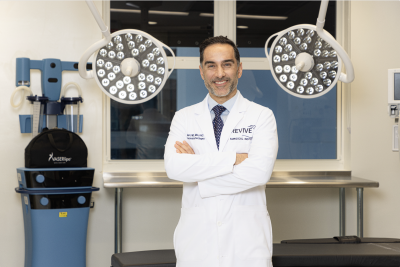
The Future of Weight Loss Isn't About Eating Less. It's About You. By Scott Penn, CEO at Digital Wellness
Warning: Undefined variable $post in /home/energypo/domains/dietoflife.com/public_html/wp-content/plugins/code-snippets/php/snippet-ops.php(663) : eval()'d code on line 3
Warning: Attempt to read property "ID" on null in /home/energypo/domains/dietoflife.com/public_html/wp-content/plugins/code-snippets/php/snippet-ops.php(663) : eval()'d code on line 3
The estimated reading time is 3 minutes
Warning: Undefined variable $post in /home/energypo/domains/dietoflife.com/public_html/wp-content/plugins/oxygen/component-framework/components/classes/code-block.class.php(115) : eval()'d code on line 3
Warning: Attempt to read property "ID" on null in /home/energypo/domains/dietoflife.com/public_html/wp-content/plugins/oxygen/component-framework/components/classes/code-block.class.php(115) : eval()'d code on line 3

For more than 30 years, I've watched the weight loss industry reinvent itself. Low-fat, low-carb, grapefruit diets, cabbage soup diets, points, shakes, fasting windows. Each one arrived with a promise, and most left behind the same thing: people who lost weight, gained it back, and quietly concluded that the product was the problem.
They product wasn’t. The approach was.
For decades, weight loss has been built on deprivation. Eat less of this, cut out that, and white-knuckle your way through hunger until the scale moves. Deprivation works for a while, which is exactly why it has survived so long. But the body keeps score. Restriction brings hunger, fatigue, and a sense of failure the moment life gets in the way. And life always gets in the way!
The future of weight loss looks very different. It rests on two core ideas: personalization and personal accountability.
Personalization: the end of one-size-fits-all
We now know what many of us in the industry have suspected for years: two people can eat the similar meals and respond to it very differently to them. Genetics, sleep, stress, hormones, gut health, medications, work schedules, and cultural food traditions can all shape how our bodies handle food.
Tools that once lived in research labs are now in everyday hands. Continuous glucose monitors show how individuals respond to specific foods. Wearables track sleep, activity, and recovery. Digital coaching can adapt in real time. And a new generation of medications, including GLP-1 therapies, have changed the conversation for millions of people.
But even the most powerful medication is not a complete solution. People on medication still need to protect muscle, get enough protein, build habits that last, and have a strategy for the day they either reduce medication or stop treatment. That is where personalization matters most: matching the right digital tools, nutrition, and personal support to the right person at the right time.
Accountability: ownership, not blame
Personalization gives people a map. Accountability and persistence is what gets them closer to the treasure.
I want to be clear about what accountability means, because it has too often been confused with blame. Blame says, "You failed because you're weak." Accountability says, "This is your health, and you have the power to shape it." One shames. The other empowers.
Taking personal accountability means understanding your numbers and what they mean. It means asking your doctor better questions, choosing foods that work for your body, moving in ways you enjoy, and treating setbacks as temporary rather than proof of failure. It means seeing yourself as the CEO of your own health, with professionals, technology, and community as your advisory board.
That shift matters because lasting change comes from the inside. Only “You” can do it, no one else can truly do it for you. Intrinsic motivation is the most powerful force.
From "less" to "better"
The old question was, "What do I have to give up?" The better question is, "What best for my body?"
That reframing changes everything. Instead of eliminating whole food groups, people learn which foods keep them full and energized. Instead of punishing workouts, find movement that you will still enjoy in ten years. Instead of a 12-week sprint, build a way of living that works for you.
After three decades in this industry, I'm more optimistic than I've ever been. Not because we've found a magic bullet, but because we've finally stopped looking for one. The future of weight loss isn't about deprivation. It's about understanding yourself, owning your choices, and building a healthier life that fits YOU.